 Contact Us
 Log In


Saunas and cold plunges have been around for centuries. Now the research is catching up. Here's what heat and cold can do for your body, and how to use them well.
With insights from Phil Kingi (PGDipSPEx), National Gym Floor Specialist at Les Mills New Zealand.
You already know how good a hot shower feels after a big workout. Now imagine that, but with real science behind it.
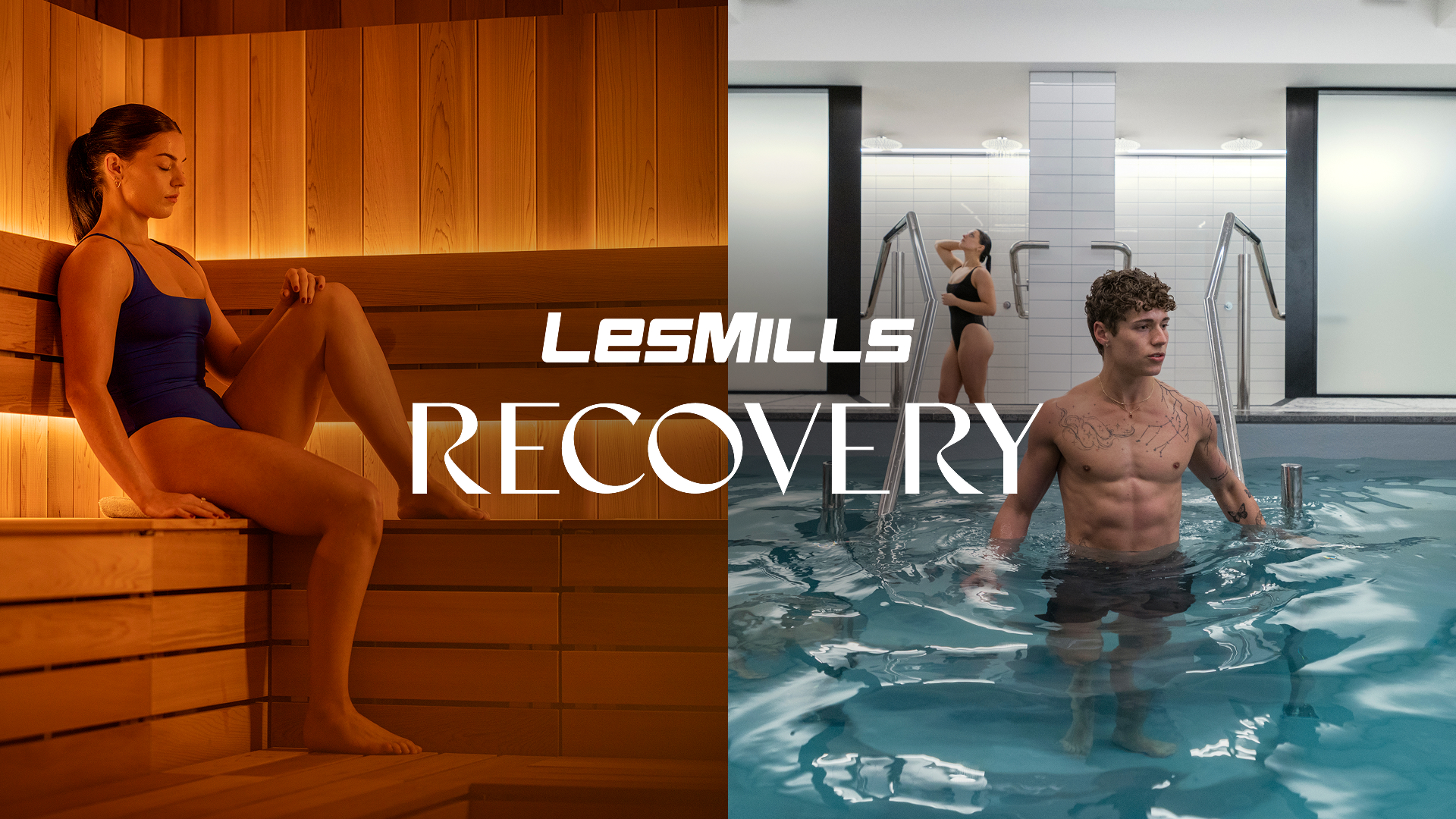
With saunas at nine of our clubs, and the full Recovery offering at Les Mills Auckland City and Les Mills Taranaki Street, we're here to help you recover better, handle stress better, and feel better. Not by pushing you to extremes. By giving your body a controlled challenge, again and again, so it learns to adapt.
One thing worth knowing upfront: a lot of the big sauna and cold research has been done mostly on men. That includes the well-known Finnish sauna studies and much of the athletic recovery work. Men and women differ in hormones, temperature regulation and stress response, so the experience isn't always identical. We'll flag where that matters as we go.
What heat does
It helps protect your cells. Time in the sauna switches on heat shock proteins. These help repair damaged proteins, support recovery from physical stress and help defend against oxidative stress. They're one of the main reasons heat is linked to cellular resilience and healthy ageing. Women appear to get many of the same benefits, and early research suggests this may be especially useful during hormonal transitions.
It works your heart. In the sauna, your heart rate climbs, circulation picks up and blood vessels open. Over time, regular use has been associated with better cardiovascular fitness and vascular function. This may matter even more after menopause, when the protective effect of oestrogen declines and heart health risk rises.
What cold does
It wakes you up. A cold plunge triggers the release of noradrenaline and other chemicals linked to alertness, focus and mood. Regular cold exposure may help with energy, mental resilience and how you feel day by day.
It switches on brown fat. Unlike regular fat, which stores energy, brown fat is packed with mitochondria and uses energy to make heat. Cold exposure is a strong way to activate it, and so is contrast therapy (sauna and then cold), especially when you finish on cold. Active brown fat is linked with better temperature regulation, insulin sensitivity and how well your body switches between fuel sources.
What both do together
Heat and cold are both controlled stressors. Used regularly, they train your stress response, so it handles everyday pressure better. That may show up as better recovery from daily stress, steadier mood and better sleep.
Not one size fits all
Your cycle can change how heat feels. After ovulation, rising progesterone naturally lifts body temperature, so the sauna may feel more intense. In the first half of the cycle, many women find heat easier. You don't need to avoid the sauna at any point. Just adjust how long you stay in based on how you feel.
Colder isn't better. Women often respond more strongly to cold than men and may get similar benefits at slightly warmer temperatures. The goal is effective stimulus, not maximum discomfort.
How to get started
You don't need to suffer to see results. Consistency beats intensity.
An observational study by Søberg et al. (2021) suggests many of the benefits can come from around 57 minutes of sauna and 11 minutes of cold a week, spread across several sessions. That's a few visits after your workout, not a test of willpower.
- Sauna (everyone): 80-90°C for 10–30 minutes
- Cold plunge (men): 7-10°C, starting short and build to 3–5 minutes
- Cold plunge (women): 10-12°C, starting short and build to 3–5 minutes
Match it after your workout
After strength workouts (like BODYPUMP, STRENGTH DEVELOPMENT and gym floor). Head to the sauna for 10 to 30 minutes. Save the cold plunge for a different day, so it doesn't get in the way of your muscle-building gains.
After cardio and endurance workouts (like BODYATTACK, RPM, a long run). Sauna for 10–30 minutes to add to the cardio benefits. After a particularly tough session or event, add 1–3 minutes in the plunge.
On recovery days. This is where contrast therapy shines (available at Les Mills Auckland City and Les Mills Taranaki Street):
- Sauna for 10–15 minutes
- Cold plunge for 1–2 minutes
- Rest for a few minutes
- Repeat 2–3 times
Finish on cold for the biggest brown fat boost.
Hydrate. You lose fluids and electrolytes when you sweat. Arrive well hydrated and top up electrolytes after longer or more frequent sessions.
Play it safe
Sauna and cold plunge aren't right for everyone. Talk to your healthcare professional first if you're pregnant, or have cardiovascular disease, uncontrolled high blood pressure, a history of fainting, heart rhythm problems, or any condition that heat or cold could affect.
First time? Start at the lower end of the guidelines and build up as your body gets used to it. Stay hydrated before, during and after. And if you feel unwell, get out straight away.
Come and try it
Pair your next workout with some heat (or heat and cold) and feel the difference.
- Sauna and cold plunge: Les Mills Auckland City and Les Mills Taranaki Street
- Sauna: Les Mills Britomart, Les Mills Christchurch, Les Mills Dunedin, Les Mills Hamilton, Les Mills Howick, Les Mills Hutt City and Les Mills New Lynn
This article is general information, not medical advice.